ERP Was Built to Plan Materials, Not Move Them
Most manufacturers already run ERP to plan materials at a high level. The harder part is managing what happens between the dock and the line, where actual consumption, spoilage, and schedule changes rarely match the plan.
When materials are pushed to the floor in bulk kits ahead of need, cash sits in inventory that may not get used, and materials age or go missing before they matter. Buffer stock grows to cover the uncertainty, floor space shrinks, and every line stoppage from a missing part adds to cost per unit and delivery risk.
Common challenges include:
-
Materials are pushed to the floor based on plan, not on what production is actually consuming right now.
-
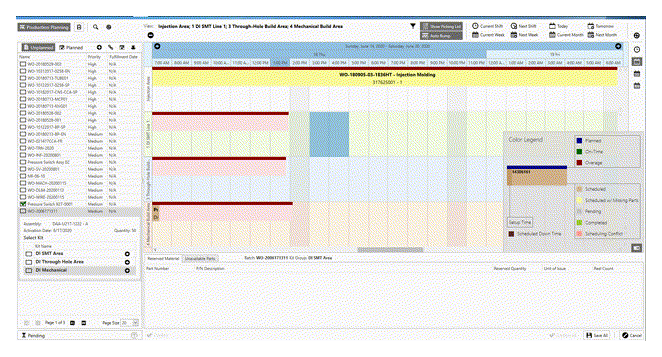
Kits are built early, torn down when schedules change, and rebuilt again, wasting labor and losing track of parts.
-
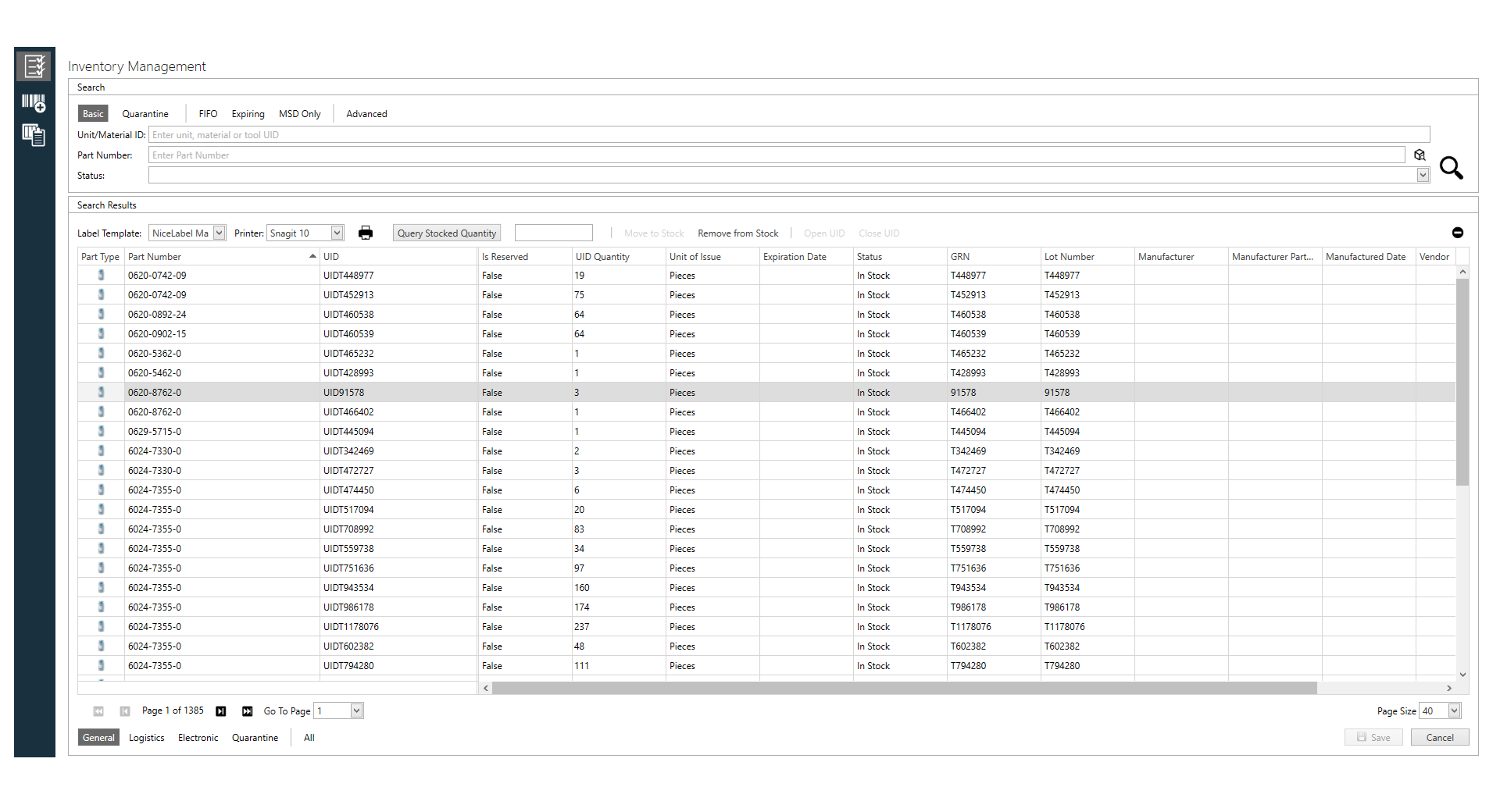
Nobody can confirm where a given part is, or how old it is, without physically walking the floor.
-
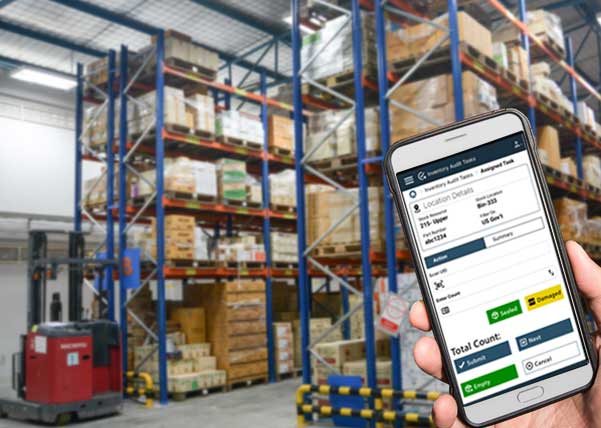
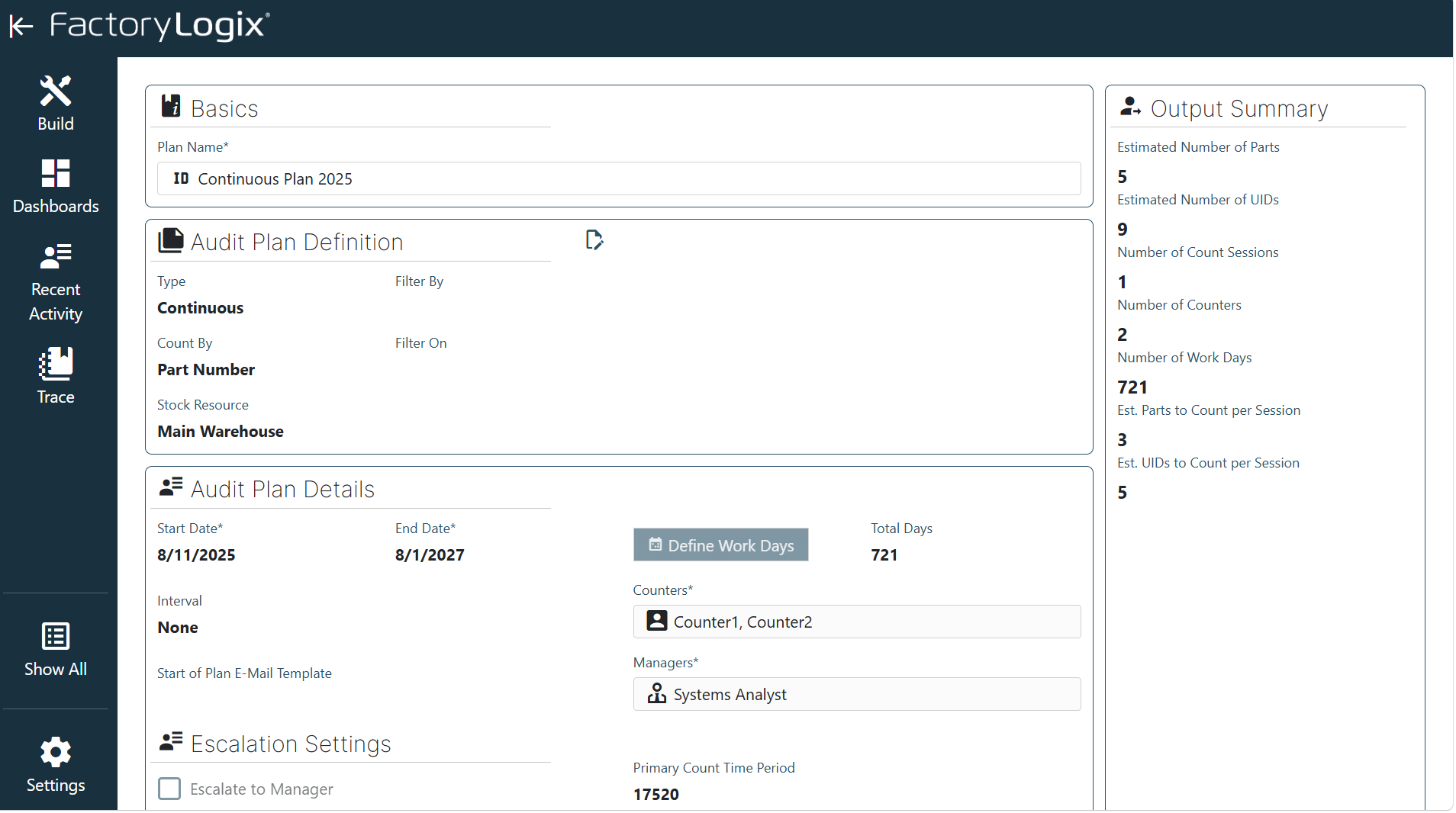
Physical counts and cycle audits pull staff off the floor and still miss the root cause of shrinkage.
Bolting a warehouse management module onto the ERP does not fix this. It just adds another system that has to be kept in sync with the one actually running production.