


Disconnected Execution: The Invisible Drain on Manufacturing Profitability
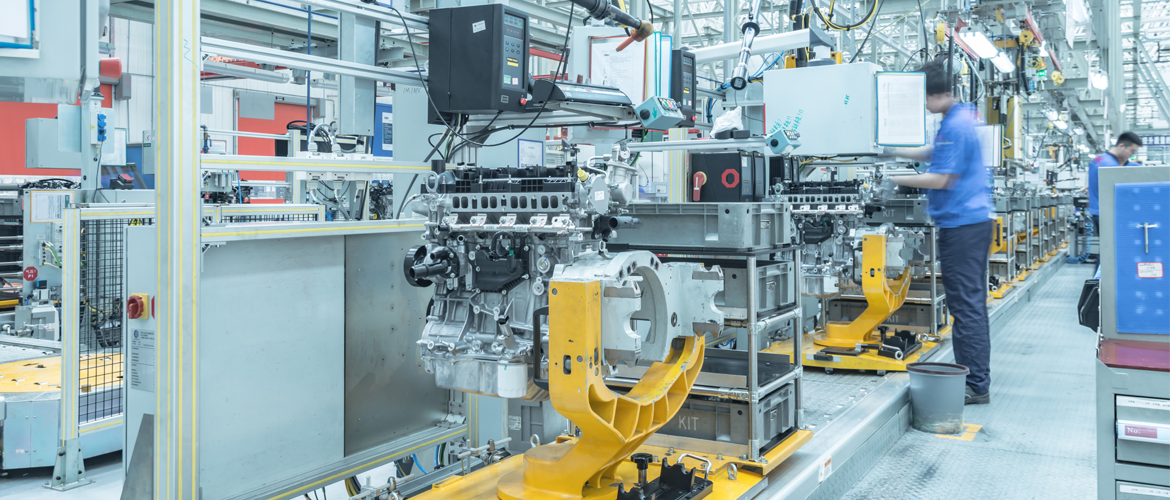
Manufacturers feel the financial impact of shop floor variability every day, even if it doesn’t always show up clearly on a balance sheet. Companies invest in ERP systems, automation, and analytics platforms, expecting control and predictability. Yet many still struggle to see how work is actually being executed. Data exists. Systems are live. If workflow structure isn’t clearly defined and enforced, teams rely on memory, email threads, and informal communication. That’s where accountability weakens.
The damage usually starts small. A missed handoff here. Rework that should not have been necessary. Sometimes it’s just a delay no one investigates. Or a workaround that becomes routine. In the moment, it feels manageable. The line keeps moving. Someone fixes the issue and moves on. Only later do the numbers start to drift, and no one can point to a single cause.
No Execution Accountability or Workflow Coordination
The biggest problem costing manufacturers millions is poor execution accountability and workflow coordination. Manufacturing teams work in isolation, miss handoffs, and lack clear priorities. This quietly hurts productivity. McKinsey research shows companies lose $17,000-$30,000 per frontline employee each year due to broken systems and inefficient workflows.
Tasks fall through the cracks
When manufacturing execution system software is implemented as a passive data capture tool rather than a role-based execution control platform, important tasks can fall through the cracks.
This pattern shows up in many manufacturing facilities. Priorities change without proper communication and teams duplicate work. It wastes resources. These coordination failures hit hardest during new product introduction (NPI) when multiple teams need to work together naturally.
Manufacturing execution systems that are not configured with enforced role-based ownership and real-time progress validation will struggle to prevent dropped tasks, whereas properly architected platforms embed accountability directly into execution. Each missed task means real money lost through rework, materials, and delayed time-to-market.
No visibility into ownership or progress
Poor visibility makes coordination even worse. Teams need to know what the next step is, who owns it, and whether it’s actually moving. If that visibility isn’t built directly into the way work gets executed, even the best MES becomes a reporting tool instead of a control system.
To name just one example, see what happens in typical production: engineering leaders can't track progress or ownership. Teams don't coordinate well on product launches. New team members have no guidance. So everyone works harder but gets less done.
A modern manufacturing execution system embeds real-time visibility directly into execution workflows, giving management:
- Personnel allocation tracking
- On-time performance metrics
- Project progress visualization
- Automatic calculation of key performance indicators
These systems eliminate manual reporting and provide instant insight into project status when set up right. Managers can spot and fix bottlenecks right away instead of wondering where they are.
Delayed feedback and missed deadlines
The most expensive result of poor workflow coordination is slow feedback loops. Projects stall waiting for approvals without structured processes and automated alerts. This affects the entire production timeline.
Companies report big improvements after fixing this issue. Those using robust manufacturing execution system systems with coordination tools built in save 15% time on new projects. They also cut new product introduction times from 16 to 4 hours, saving 12 hours that helps products reach market faster. Customer inquiry responses improve from hours to minutes. Even better, manufacturers cut Engineering Change Orders (ECOs) by up to 3.8 times yearly when they blend collaboration and control into their process.
Hidden costs go beyond delays. Slower engineering cycles, missed deadlines and SLAs, and NPI bottlenecks hurt team and customer confidence. Senior engineers get pulled away from improvements to fix coordination problems. Fixing this issue isn't about controlling everything. Teams need shared awareness to work smarter. With proper workflow coordination in your manufacturing execution system, teams get the visibility and structure they need to close these expensive gaps.
Execution Gaps from Siloed Systems and Material Blindness
Manufacturing operations face a bigger challenge beyond workflow coordination: disconnected systems and material blindness. Deloitte research shows this blind spot gets pricey, costing manufacturers 5-30% of total manufacturing expenses just in scrap and rework.
Disconnected tools and fragmented data
Manufacturing workers waste 32 days per year switching between workplace applications to find information they need. McKinsey calls this "disconnected operations" which costs companies $17,000-$30,000 for each frontline employee yearly. We have seen this scenario play out daily in many facilities. Operators use different systems for work instructions, quality checks, material tracking, and maintenance requests. These separate tools don't share a common data model, which leads to inconsistent naming and conflicting information.
This digital disconnect demonstrates an execution environment that lacks a unified MES backbone resulting in systems that are digitally busy rather than digitally effective. You can spot the signs easily:
- Multiple unconnected apps instead of a unified contextual platform
- Behind-the-scenes manual workarounds instead of true digital execution
- Data sits unused instead of driving up-to-the-minute decisions
- Digital forms with manual decisions instead of built-in process logic
YouGov research highlights how this digital friction wastes six hours monthly per worker, adding up to $162 billion in lost productivity across industries each year.
Inventory chaos and material delays
Siloed systems create the biggest problems in inventory management. Production teams work blindly when material tracking is not fully integrated into the manufacturing execution system and synchronized with enterprise systems such as ERP. They don't know what's available, where it is, or its status. The ground effects are significant. Materials arrive unlogged. Components sit in receiving while production lines stay idle. Orders face delays because inventory systems can't talk to production scheduling.
Yes, it is concerning that ISA data shows manufacturing plants lose 5-20% of yearly productivity to unplanned downtime. Most of these disruptions stem from material-related issues that proper integration between manufacturing execution system and ERP platforms could prevent.
Industries with complex assemblies feel this material blindness most. Hundreds or thousands of components need precise coordination. Operators waste time looking for parts, updating records, and tracking changes by hand when they lack contextual information connecting materials to designs and processes.
Duplicate work and inflated costs
These execution gaps cost more than just lost productivity. LNS research reveals 42% of manufacturers say workforce execution visibility is their biggest problem, leading to duplicate work and redundant processes.
Disconnected systems often cause expensive duplicate assemblies. Teams unknowingly repeat tasks or build components that exist elsewhere because they can't see in-progress work across departments.
Companies see remarkable results when they fix these siloed systems. Those using integrated manufacturing execution system solutions report:
- 73% reduction in receiving and inspection time through efficient material handling
- 44% reduction in inventory handling overhead
- 100% elimination of duplicate assemblies with full visibility into in-progress work
- 13% reduction in unplanned downtime
Your factory floor's success depends on being truly digitally effective rather than just digitally busy. You'll keep paying millions in hidden costs until your systems unite through a standardized data model that connects your manufacturing execution system with other enterprise platforms.
No Contextual Decision Support at the Point of Work
Your manufacturing profits take a hit at a crucial point - when work actually happens. The core team lacks proper guidance to make decisions on the factory floor. Research in the machinery industry shows that about 80% of manufacturing floor problems come from human factors, not machine or software failures. Workers don't have the right context, use old instructions, and face unclear priorities that force them to make decisions without proper guidance.
Ambiguous or outdated instructions
Factory workers face daily challenges with unclear work instructions when they don't have the right context. Workers waste time switching between paper documents or digital PDFs and need to refocus constantly. They lose about 32 days each year just looking up information across different apps.
This costs real money. Workers waste valuable time trying to figure out vague instructions without proper context in their manufacturing execution system software. They often have to make educated guesses about important procedures. This creates several problems:
- Workers skip critical steps or do them wrong
- Complex assembly tasks lack proper sequence
- Time gets wasted searching for information instead of producing
- More scrap and rework that hurt your profits
Modern manufacturing execution system solutions fix this by putting data entry fields right next to work instructions. Workers see instructions and entry fields in one place. They can also use interactive 3D models to zoom, pan and explore digital assemblies without paper.
Inconsistent execution across shifts
Without standardized guidance and context, each shift does things differently. The morning shift might follow one process, while afternoon and night shifts do it their own way. These differences show up as quality issues that get more expensive over time.
Plants that struggle with this show clear signs: yield rates bounce between shifts, product quality varies, and rework problems never improve despite more training. All the same, management often misses these issues until they become major quality problems.
The impact of context-aware manufacturing execution systems is measurable. When work instructions are tied directly to live production data and tailored to the person performing the task, quality stabilizes. Defect rates drop, rework declines, and operators stop wasting time trying to interpret what the instruction actually means. They focus on doing the job instead of deciphering it.
Over-reliance on expert intervention
Organizations become too dependent on experts when workers lack proper guidance. New employees need help often and keep interrupting experienced staff. Meanwhile, experts can't focus on improvement projects because they're answering basic questions.
This creates several hidden costs:
- Skilled workers lose time handling simple issues
- Work slows down when experts aren't available
- Critical production problems take longer to solve
- New employees take longer to train
A modern manufacturing execution system delivers contextual, role-specific information at the point of work embedding guidance directly into the execution workflow. The system should adapt to provide only what operators need when they're working.
The numbers tell the story - companies that add contextual decision support through their manufacturing execution system boost production by 50%. While many factors contribute to this improvement, workers making informed decisions without expert help drives most of these gains.
No Data-Driven Way to Improve, Justify, or Scale
The fourth major manufacturing blind spot affects continuous improvement directly: companies lack evidence-based approaches to find, confirm, and expand solutions. A properly architected manufacturing execution system serves as the structured data backbone for continuous improvement, capturing contextualized production data that enables measurable, scalable change. Without these, you'll stay blind to what works and what doesn't.
No structured feedback or trend tracking
Manufacturing companies without proper data integration have no reliable way to catch and escalate issues. Deloitte research shows frontline workers waste 20% of their time chasing updates, clarifying tasks, or doing work twice because feedback loops don't work.
Production floor problems get solved in isolation, if they get solved at all. Many facilities face the same issues month after month because:
- Non-conformance reporting stays offline or manual
- Issue resolution happens in departmental silos
- No centralized tracking exists to spot recurring patterns
- Teams react to problems instead of preventing them
When execution data is not contextualized and enforced within a unified MES environment, the system’s full operational value remains unrealized.
Compliance and audit risks
Fragmented data creates major compliance risks. The National Association of Manufacturers shows that non-compliance fines and delayed audits can cost $50,000 or more per employee each year in regulated industries.
Audit preparation becomes detective work without a manufacturing execution system solution that captures execution data automatically. Quality teams rush to combine scattered evidence from different sources. They often find compliance gaps too late to fix them. At a simple level, you can't prove what you didn't document. Even when teams follow proper procedures, poor data capture means you lack proof that they solved issues or implemented fixes across relevant areas.
Lack of visibility into systemic issues
Leadership works in a data vacuum without proper manufacturing execution system software. Root cause analysis gets delayed or stays incomplete while deeper problems continue unchecked. These hidden problems multiply costs as they affect yield, safety, and throughput. Companies can't copy successful initiatives across teams, facilities, or production lines without data to support improvements.
Companies that implement proper data contextualization see the difference, such as:
- 100% time savings in weekly report generation from 20 hours to zero
- 94% faster time-to-resolution for frontline problem-solving
- 15% decrease in time spent data parsing
- 59% reduction in audit prep time across compliance, quality, operations, and documentation teams
Teams solve issues faster because insights link directly to the product, process, and people involved. Instead of wasting hours making reports or hunting down numbers, teams see what's happening, why it happens, and what to do next. The real ROI comes from replacing scattered, disconnected data with a structured source of truth that drives immediate action and builds confidence throughout the organization.
Version Drift, Traceability Gaps, and Tribal Knowledge
The fifth and most dangerous manufacturing execution system gap exists in your organization's knowledge management practices. Manufacturing industry research shows that people-related factors cause nearly 80% of production floor problems. Tribal knowledge, version drift, and traceability gaps lead the list of culprits. This blind spot quietly damages operational capabilities and makes every other execution challenge worse.
Loss of critical know-how
Manufacturing facilities depend heavily on tribal knowledge - the undocumented expertise that experienced employees carry in their heads. Critical operational know-how simply disappears when these experts leave. Machinery-Lubrication Publications' research confirms that these people-related knowledge gaps cause about 80% of manufacturing problems.
Organizations that rely on tribal knowledge rather than embedding institutional knowledge into their manufacturing execution system experience sudden quality and efficiency declines when experienced operators leave. The financial damage is huge but often goes unnoticed. New personnel now need hours or even days to solve problems that once took minutes. They struggle to find solutions that were known but never documented. This knowledge loss contributes directly to the 5-20% of annual productivity that manufacturers lose to unplanned downtime.
Onboarding delays and training gaps
New employee onboarding becomes exceptionally difficult in facilities where tribal knowledge rules. New hires face steep learning curves that slow their productivity without contextual documentation in manufacturing execution system software.
Documentation scattered across multiple systems makes these training challenges worse. New operators waste valuable time jumping between different applications to find information instead of learning. Deloitte's research reveals workers lose 32 days each year just navigating workplace applications to find the information they need.
The problem multiplies itself. Experienced workers get swamped with training responsibilities that pull them away from their main duties. Proper documentation in their manufacturing execution system could have addressed these issues.
Inconsistent documentation
Documentation's usefulness suffers from version control problems, even when it exists. Documentation drifts as departments keep their own versions of procedures, specifications, and troubleshooting guides without a centralized manufacturing execution system. These inconsistencies create serious compliance and quality risks. The National Association of Manufacturers reports that regulated industries face non-compliance fines of $50,000 or more per employee each year due to traceability gaps.
Teams across different shifts or facilities follow different procedures. One team might work according to version A, while another uses version B. Quality variations appear random but actually come from documentation inconsistencies.
Smart companies use manufacturing execution system solutions that maintain a single source of truth. They embed documentation directly into workflow context to ensure operators always access the correct, current procedures. These systems capture improvements and insights directly from the floor. Tribal knowledge gradually transforms into institutional knowledge that stays with the company as employees come and go.
Digitally Busy vs. Digitally Effective
Manufacturers lose millions each year by implementing digital tools without true transformation which is a costly difference. The problem isn't about missing components anymore. It's about wrong implementation methods. Money spent on disconnected digital tools often creates "digitally busy" environments instead of "digitally effective" ones.
Disconnected apps and dashboards
Fragmented technology defines digitally busy facilities. Workers must switch between different systems to handle work instructions, quality checks, maintenance requests, and inventory tracking. Workers waste 32 days yearly just jumping between apps to find information. YouGov's research shows inefficient digital tools waste six hours of worker time monthly. This waste adds up to $162 billion in lost productivity yearly across industries.
Manual workarounds behind digital tools
Many digital solution implementations hide old manual processes beneath their modern surface. Here are some warning signs:
- Digital forms exist, but people must make decisions manually
- Systems collect data that nobody analyzes or uses
- Tasks show up in systems without enforcement
- Visibility tools show information but don't allow control
This creates an illusion of digital transformation while keeping inefficient workflows alive. These facilities just add digital noise instead of improving how things work.
No real-time action or behavior change
A manufacturing execution system's true value lies in changing how people work, not in its feature list. Digitally busy facilities have dashboards full of metrics that don't spark preventive action. Teams bypass documented workflows regularly. Digital instructions lead to misunderstandings.
True manufacturing execution system solutions work differently:
- Workflows contain built-in process logic that removes manual decisions
- Alerts stop problems before they happen, not just report them later
- Every step needs role-based validation
- Smart guides use context-aware logic to ensure compliance
Without these elements properly implemented, digital initiatives fail to transform execution leaving manufacturers digitally busy rather than digitally effective. A true manufacturing execution system eliminates these inefficiencies by enforcing structured, contextual workflows across the operation.
Conclusion
Execution gaps, not the concept of manufacturing execution systems themselves, are what ultimately drain profitability. Your bottom line takes a direct hit from these issues.
The numbers tell the story. Poor workflow coordination wastes $30,000 per frontline employee yearly. Manufacturing costs jump 5-30% due to material blindness that leads to scrap and rework. Operators make uninformed choices without proper decision support, which causes quality issues and over-reliance on experts. Companies keep solving identical problems because they lack data-driven methods to scale solutions. The departure of experienced staff creates dangerous weak points due to tribal knowledge dependencies.
These problems need more than just new software in your tech stack. Companies must shift from fragmented digital initiatives to an integrated execution architecture where the manufacturing execution system serves as the operational control backbone, seamlessly connected to ERP and extended through predictive and planning technologies.
Companies that fix these gaps see remarkable results. Their inventory handling costs drop by 44%, defective parts decrease by 80%, and audit preparation time reduces by 59%. They also eliminate duplicate assemblies and cut new product introduction times by 75%.
Your first step should be an honest look at your current execution systems. Do your operators waste time hunting for information instead of adding value? Does each shift follow different processes? Does production halt without experts? Do problems keep coming back despite fixes? Yes answers point to gaps that need quick attention.
Manufacturing excellence comes from proper execution at every level, not just technology. Coordinated workflows, timely material delivery, informed decisions, systematic improvements, and effective knowledge transfer between staff make the difference. Smart manufacturing organizations today can find one of their biggest financial opportunities by fixing these execution system gaps.
Watch our on-demand webinar: [On-Demand Webinar] The Silent Killer of Manufacturing Efficiency: Workforce Blind Spots
Sign up for our blog
Stay up-to-date on the latest in manufacturing trends, insights and best practices.